
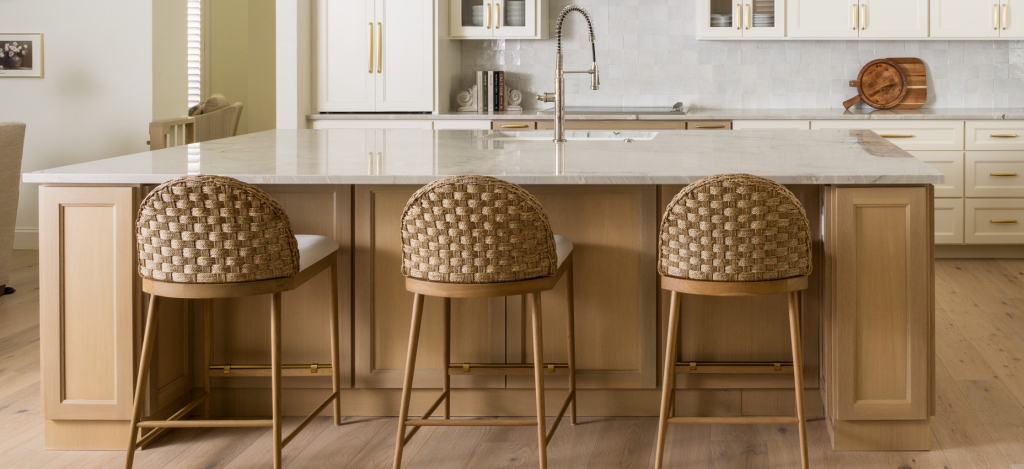
Kitchen remodeling Glendale homeowners undertake represents one of the largest investments you'll make in your home — and one of the most disruptive if not planned carefully. Before you start calling contractors or browsing cabinet showrooms, understanding what's actually involved helps you budget accurately, set realistic timelines, and choose the right partner for the work.
This guide covers what Glendale kitchen projects actually cost, how long they take, what permits you'll need, and what to expect when remodeling kitchens in the area's older housing stock. Whether you're updating a dated galley kitchen in a 1950s ranch near Verdugo Woodlands or doing a full gut renovation in a Rossmoyne Spanish colonial, knowing what's ahead makes the process far less stressful.
At a glance
- Budget realistically — Glendale kitchen remodels typically range from $40,000 to $120,000+, with Southern California labor costs running 15–25% above national averages.
- Plan for permits and lead times — The City of Glendale requires permits for electrical, plumbing, and structural work; expect 2–6 weeks for permitting alone before construction begins.
- Prepare for older-home surprises — Pre-1970s homes often have undersized electrical panels, galvanized plumbing, and asbestos-era materials that add contingency costs.
- Choose your contractor carefully — Owner-led firms provide single-point accountability; ask who manages your project daily before signing anything.
What Kitchen Remodeling Glendale Projects Actually Cost
Quick answer: Most Glendale kitchen remodels range from $40,000 to $120,000+, with mid-range projects averaging $50,000–$80,000. According to Remodeling Magazine's Cost vs. Value Report, major kitchen remodels in the Pacific region average significantly higher than national figures.
Southern California construction costs run 15–25% higher than the national average. Data from the Bureau of Labor Statistics shows California construction wages consistently exceed the national median. That's not a reason to delay — it's a reason to budget accurately from the start.
Budget Breakdown by Project Scope
Cosmetic refresh ($15,000–$30,000): New countertops, cabinet refacing or painting, updated hardware, fresh backsplash, new faucet and sink. Keeps existing layout and cabinets.
Mid-range remodel ($40,000–$80,000): New cabinets, countertops, appliances, flooring, and lighting. May include minor electrical and plumbing updates. Layout stays mostly the same.
Full renovation ($80,000–$150,000+): Layout changes, wall removal, new electrical panel or circuits, plumbing relocation, custom cabinetry, high-end appliances. Often involves structural work and extended permitting.
What Most Homeowners Underestimate
The kitchen itself isn't your only cost. Plan for:
- Permit fees: Glendale building permits add $500–$2,000+ depending on project scope
- Temporary kitchen setup: Microwave, hot plate, and mini-fridge for 4–8 weeks
- Contingency: Budget 10–15% above your target for surprises — especially in older homes
- Material lead times: Custom cabinets often require 6–10 weeks from order to delivery
Realistic Timelines for Glendale Kitchen Projects
Quick answer: Most kitchen remodels take 8–12 weeks for construction, plus 2–6 weeks for design and permitting beforehand. Layout changes, custom cabinetry, and older-home discoveries can extend this to 16+ weeks total.
Timeline planning is where many homeowners get frustrated — not because construction takes too long, but because they didn't account for what happens before construction starts.
Why Permits Add Time (and Why They Matter)
The City of Glendale Community Development Department requires permits for any electrical, plumbing, or structural work. That covers almost every kitchen remodel beyond paint and hardware.
Permit review typically takes 2–4 weeks for straightforward projects. Longer if your plans require structural engineering review or involve hillside properties in areas like Chevy Chase Canyon with additional requirements.
Skipping permits might seem like a shortcut, but it creates real problems: failed inspections when you sell, insurance claim denials, and potential requirements to tear out unpermitted work.
What Causes Delays and How to Avoid Them
The most common delay sources:
- Material selections not finalized: If you haven't chosen cabinets, countertops, and appliances before construction starts, the project waits while you decide
- Change orders mid-project: Deciding to move the refrigerator after electrical is roughed in adds time and cost
- Inspection scheduling: City inspectors have their own timelines; good contractors plan around this
- Surprises behind walls: Older homes frequently reveal outdated wiring, water damage, or structural issues once demolition begins
The best prevention is choosing a contractor who communicates proactively — telling you what decisions need to happen when, and what they're finding as work progresses.
Remodeling Kitchens in Older Glendale Homes
Quick answer: Glendale's 1920s–1960s housing stock presents specific challenges including undersized electrical panels, galvanized plumbing, potential asbestos-containing materials, and galley layouts with load-bearing walls. Plan for contingencies and work with a contractor experienced in older construction.
Many of Glendale's most desirable neighborhoods — Rossmoyne, Verdugo Woodlands, Sparr Heights — feature homes built between the 1920s and 1960s. Craftsman bungalows, Spanish colonials, and mid-century ranches. These homes have character. They also have infrastructure that predates modern codes by decades.
Common Challenges in Pre-1970s Homes
When we open walls in older Glendale kitchens, we frequently find:
- Undersized electrical panels: 60-amp or 100-amp service that can't support modern appliance loads; upgrading to 200-amp often makes sense during a remodel
- Galvanized or lead plumbing: Corroded pipes that need replacement, not just reconnection
- Lack of GFCI outlets: Required by current code near water sources
- Asbestos-containing materials: Common in flooring, insulation, and some ceiling textures in homes built before 1980. The EPA's asbestos guidance explains why professional assessment matters before disturbing these materials
- Load-bearing walls: That wall between your kitchen and dining room? Often holding up the roof
None of these are reasons not to remodel. They're reasons to budget contingency and work with someone who knows what to look for.
Preserving Character While Modernizing Function
Many homeowners want modern functionality without losing what makes their older home special. The original proportions, the Craftsman built-ins, the natural light patterns — these are worth preserving even as you update countertops and appliances.
This is where design guidance matters. A contractor who helps you visualize options and think through trade-offs can help you avoid the generic "flip house" aesthetic that erases your home's character. For ideas on maximizing space in these often-compact layouts, our guide to small kitchen design ideas covers strategies that work well in older homes.
How to Choose a Kitchen Contractor You Can Trust
Quick answer: Verify licensing through the California Contractors State License Board, confirm insurance and bonding, ask who manages your project daily, and evaluate their design support capability. The right contractor helps you think through decisions — not just executes orders.
Finding a capable contractor in Glendale isn't hard. Finding one who communicates well, stays accountable, and helps you navigate the design process is harder.
Questions to Ask Before You Sign
Before committing to any contractor, get clear answers to:
- Who manages my project day-to-day? Will you work with the owner or be handed off to a crew?
- How do you handle surprises? When you find knob-and-tube wiring behind the walls, what happens to my budget and timeline?
- What design support do you provide? Will someone help me choose materials and visualize options, or am I on my own?
- Can you show me similar projects in the area? Ask for references you can actually call
- How do you communicate progress? Daily updates? Weekly check-ins? When do I hear from you if something goes wrong?
- Are you licensed, bonded, and insured? Verify the license number at the California Contractors State License Board before signing anything
For a deeper framework on evaluating contractors, our guide on how to choose the right home remodeler walks through the full process.
Why Owner-Led Matters for Remodels This Size
There's a real difference between a company that hands your project to a crew and one where the owner personally guides the work from design through punch list.
With owner-led projects, you have one person who knows every decision that's been made, understands your vision, and can answer your questions without "checking with someone." When surprises arise — and they will — you're talking to the person with authority to solve problems, not relay messages.
This matters especially when older homes require judgment calls throughout construction. If you're considering an open concept kitchen remodel that involves removing walls, you want the decision-maker present when the structural engineer's findings affect your layout options.
What to Expect During Your Kitchen Remodel
Quick answer: Plan for 2–4 weeks without a functional kitchen, set up a temporary cooking station before demolition, and establish clear communication rhythms with your contractor. The disruption is real but manageable with preparation.
Kitchen remodels disrupt daily life more than almost any other project. You use your kitchen multiple times a day, every day. Planning for that disruption makes it tolerable.
Preparing Your Home (and Family)
Before demolition begins:
- Pack up everything: Empty every cabinet and drawer; store items you'll need during construction somewhere accessible
- Set up a temporary kitchen: Microwave, toaster oven, mini-fridge, and basic prep space in another room
- Talk to your contractor about schedules: Know when crews arrive, when loud work happens, and when inspections are scheduled
- Plan for pets and kids: Demolition creates dust and hazards; keep vulnerable family members away from active work areas
A good contractor keeps the space clean at the end of each day and communicates what's happening next.
Communication Rhythms That Reduce Stress
The homeowners who report the smoothest remodeling experiences share one thing: they worked with contractors who communicated proactively.
That means daily brief updates during active work, weekly progress summaries, and immediate notification when something unexpected arises. You shouldn't have to chase your contractor for information — they should be telling you what's happening before you ask.
For a complete phase-by-phase breakdown of what happens throughout a kitchen project, our kitchen renovation checklist covers each stage from design through final touches.
Next Steps: Planning Your Glendale Kitchen Remodel
If you've read this far, you're better prepared than most homeowners starting this process. Here's how to move forward:
- Set your budget range: Be honest about what you can spend, including 10–15% contingency
- Gather inspiration: Save photos of kitchens you like, noting what specifically appeals to you
- Research 2–3 contractors: Look for local experience, verified licensing, and clear communication
- Schedule consultations: A good consultation helps you understand what's possible in your space and budget
What Happens in a Remodeling Consultation
A consultation isn't a sales pitch — or at least it shouldn't be. It's a chance for a contractor to see your space, understand your goals, and discuss what the project might involve.
At Dreamliner Construction, consultations start with listening. We want to know what's working, what's not, how you use your kitchen, and what you're hoping to achieve. Then we help you think through the possibilities — layout options, material choices, budget trade-offs — so you can make decisions with full information.
We don't push homeowners toward bigger projects or premium finishes they don't need. We help you create a kitchen that works for your life, built right the first time.
Ready to talk about your Glendale kitchen project? Schedule a free consultation — we'll visit your home, discuss your goals, and help you understand what's involved before you commit to anything. No pressure, no obligation — just honest guidance from a team that's helped homeowners across the San Gabriel Valley transform their kitchens into spaces they love.
Frequently Asked Questions
How much does a kitchen remodel cost in Glendale, CA?
Most Glendale kitchen remodels range from $40,000 to $120,000+. Cosmetic updates run $15,000–$30,000, mid-range projects $40,000–$80,000, and full renovations with layout changes often exceed $100,000.
Do I need a permit to remodel my kitchen in Glendale?
Yes, if your project involves electrical, plumbing, or structural work — which includes most kitchen remodels beyond cosmetic updates. The City of Glendale Community Development Department handles residential building permits.
How long does a kitchen remodel take in Glendale?
Plan for 8–12 weeks of construction plus 2–6 weeks for design and permitting. Projects involving layout changes, custom cabinetry, or older-home surprises may take 16+ weeks total.
What should I ask a kitchen contractor before hiring them?
Ask who manages your project daily, how they handle unexpected issues, what design support they provide, whether they can show you recent local work, and confirm their license and insurance status.
Sources
- Remodeling Magazine Cost vs. Value Report 2024 — https://www.remodeling.hw.net/cost-vs-value/2024/
- Bureau of Labor Statistics, Occupational Employment and Wages for Carpenters — https://www.bls.gov/oes/current/oes472031.htm
- City of Glendale Community Development, Building & Safety Division — https://www.glendaleca.gov/government/departments/community-development/building-safety-division
- U.S. Environmental Protection Agency, Protect Your Family from Asbestos — https://www.epa.gov/asbestos/protect-your-family-exposures-asbestos
- California Contractors State License Board, License Verification — https://www.cslb.ca.gov/onlineservices/checklicenseII/checklicense.aspx
slug: "kitchen-remodeling-glendale-planning-guide"
meta_description: "Planning a kitchen remodel in Glendale? Learn realistic costs, timelines, permit requirements, and what to expect with older homes before you hire a contractor."
category: "kitchen remodeling"
focus_keyword: "kitchen remodeling Glendale"