
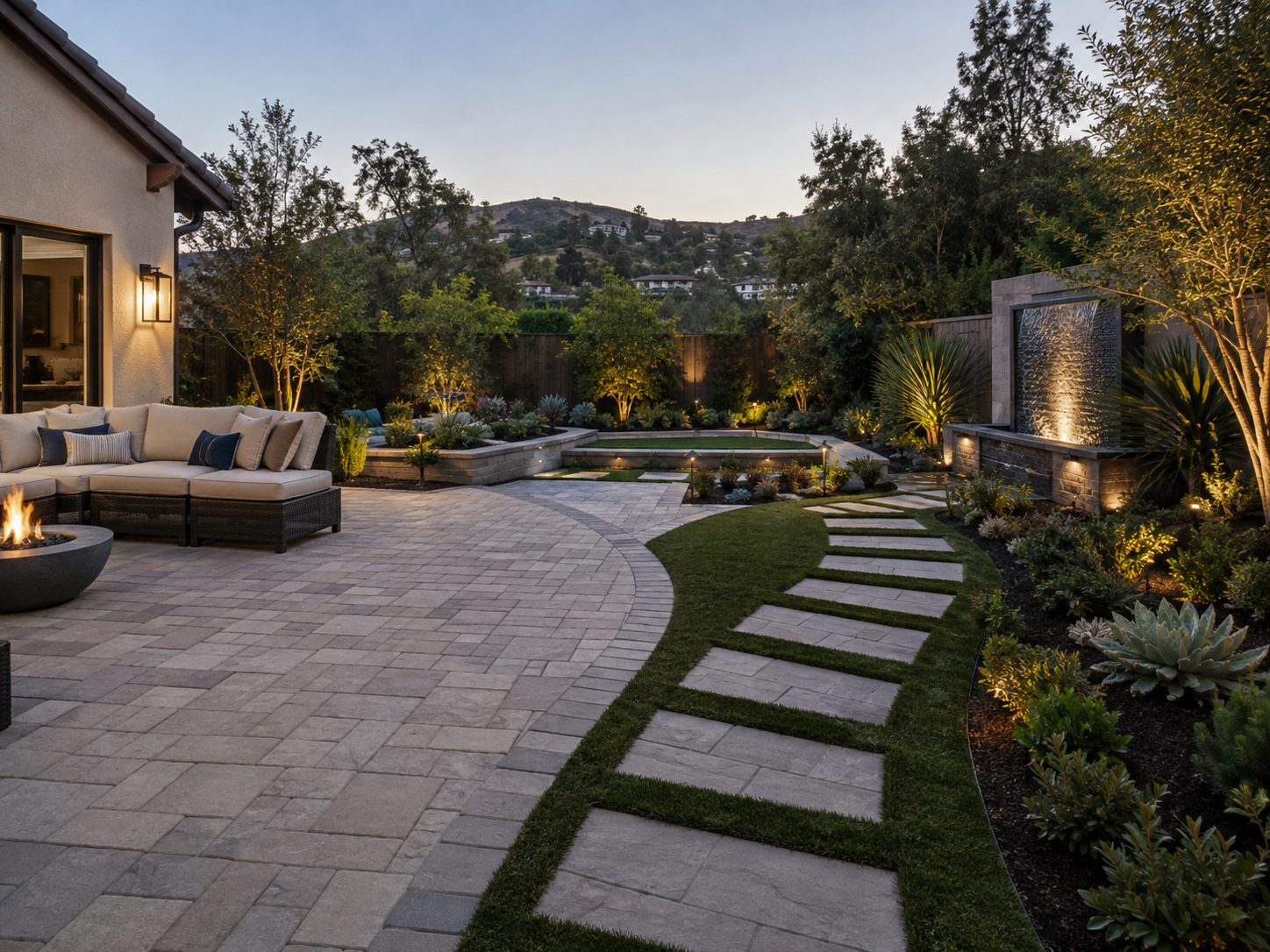
Pavers, concrete and driveways · Southern California
Driveways, Patios
And Walkways
That Stay Level
Pavers and concrete for driveways, patios, walkways, retaining walls, and drainage, set on the base and grading that decide whether the surface is still flat in ten years.
- Licensed, Bonded & Insured · CSLB #1130285
- BBB Accredited Business
- 5.0 on Google
What's included
The Scope,
In Plain Terms
Most cracked driveways and settled patios are a base and drainage problem, not a material problem. We start underneath.
- Paver driveways
- Concrete driveways and slabs
- Paver and concrete patios
- Walkways and steps
- Retaining walls
- Drainage and drains
- Grading and excavation
- Edge restraint and sealing
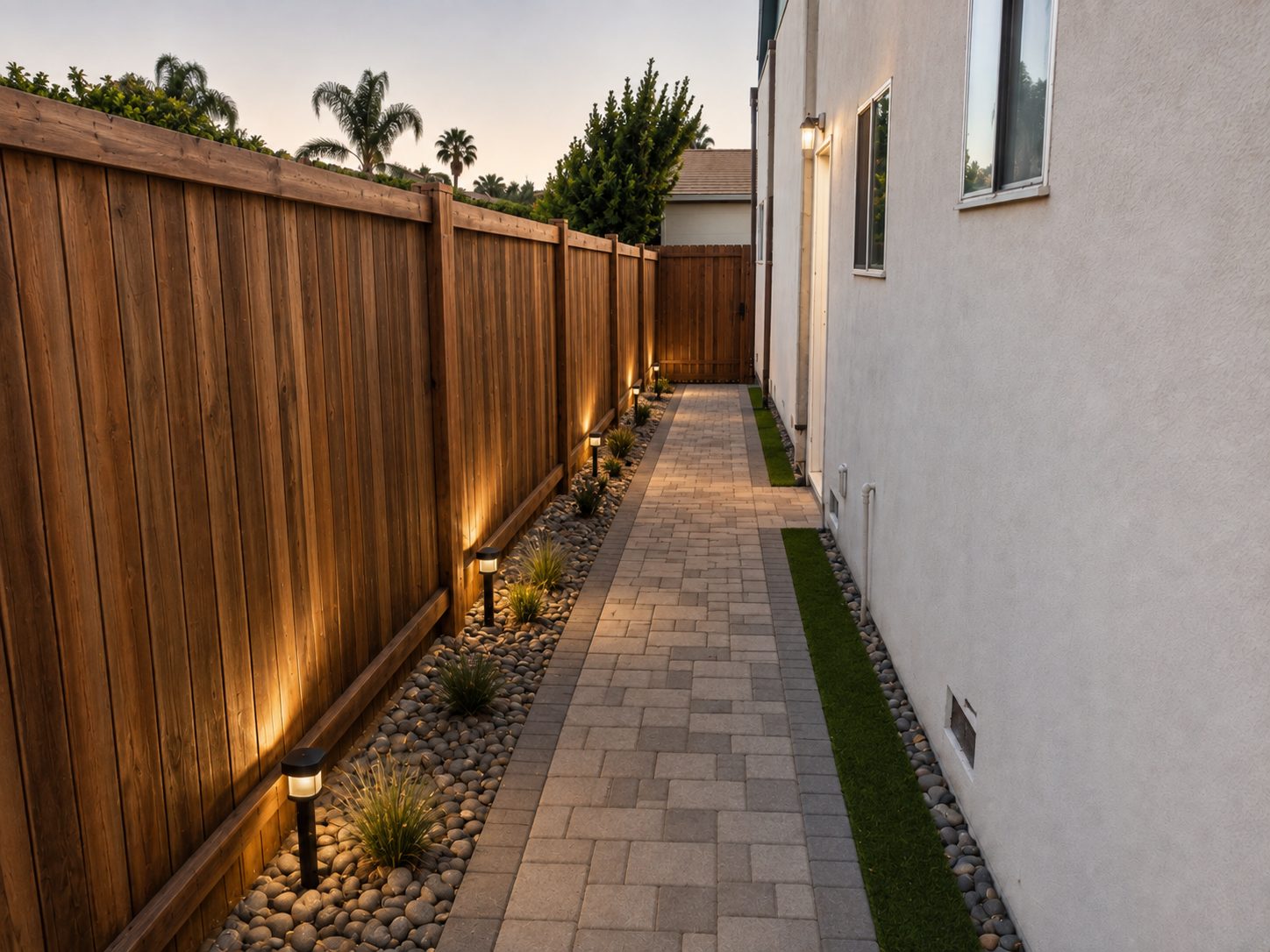
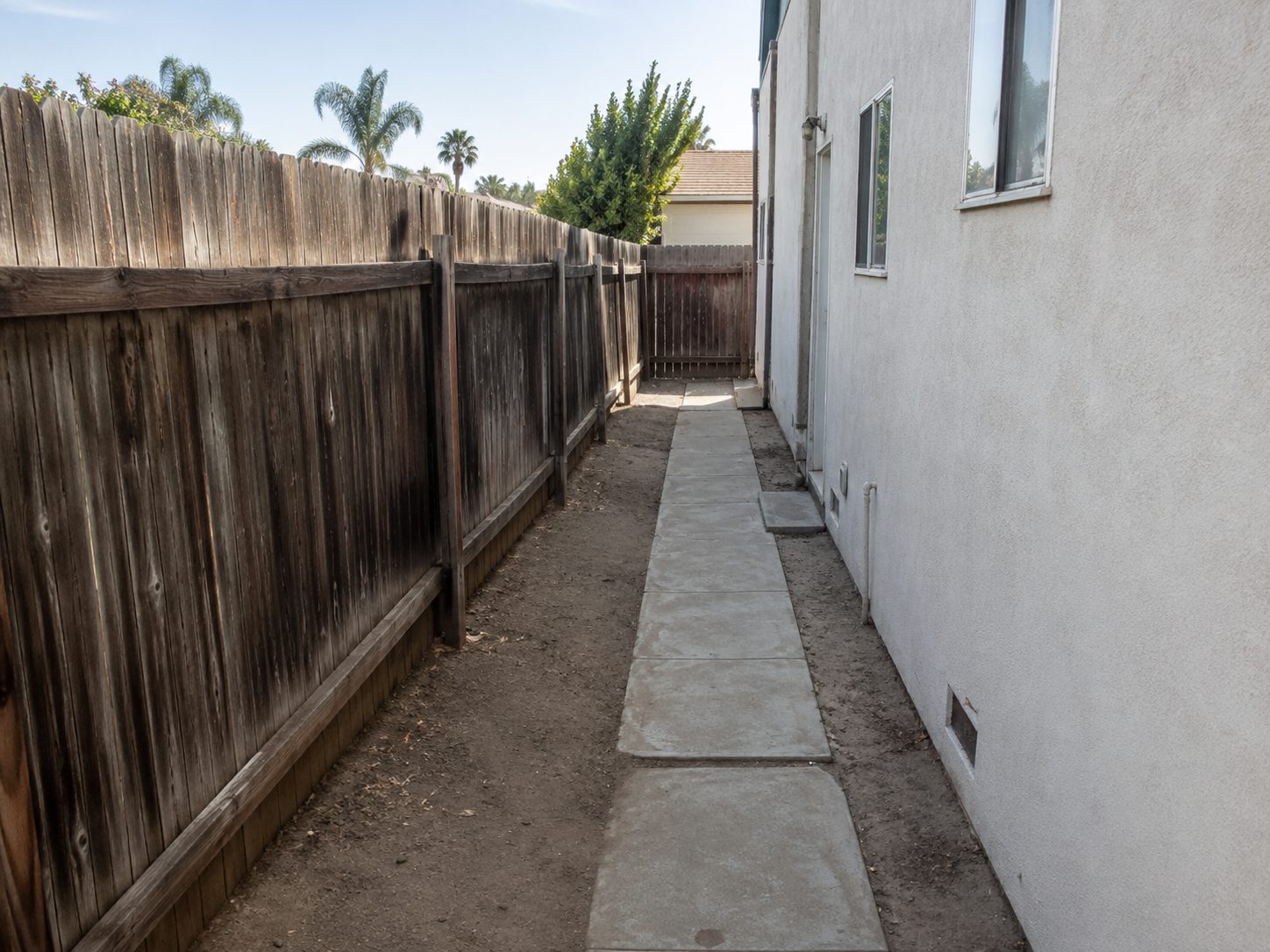
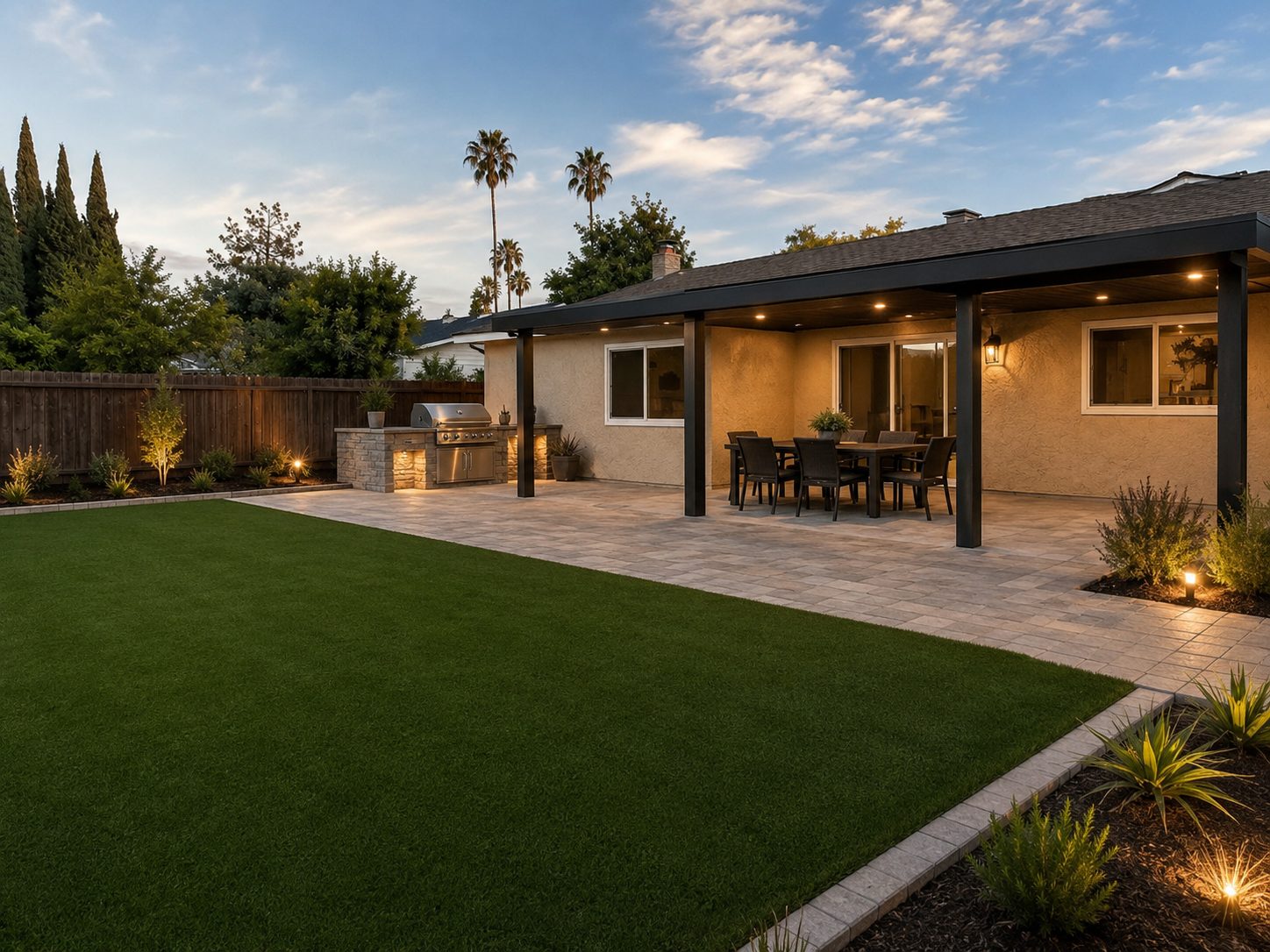
Before and after
Yards, Before
And After
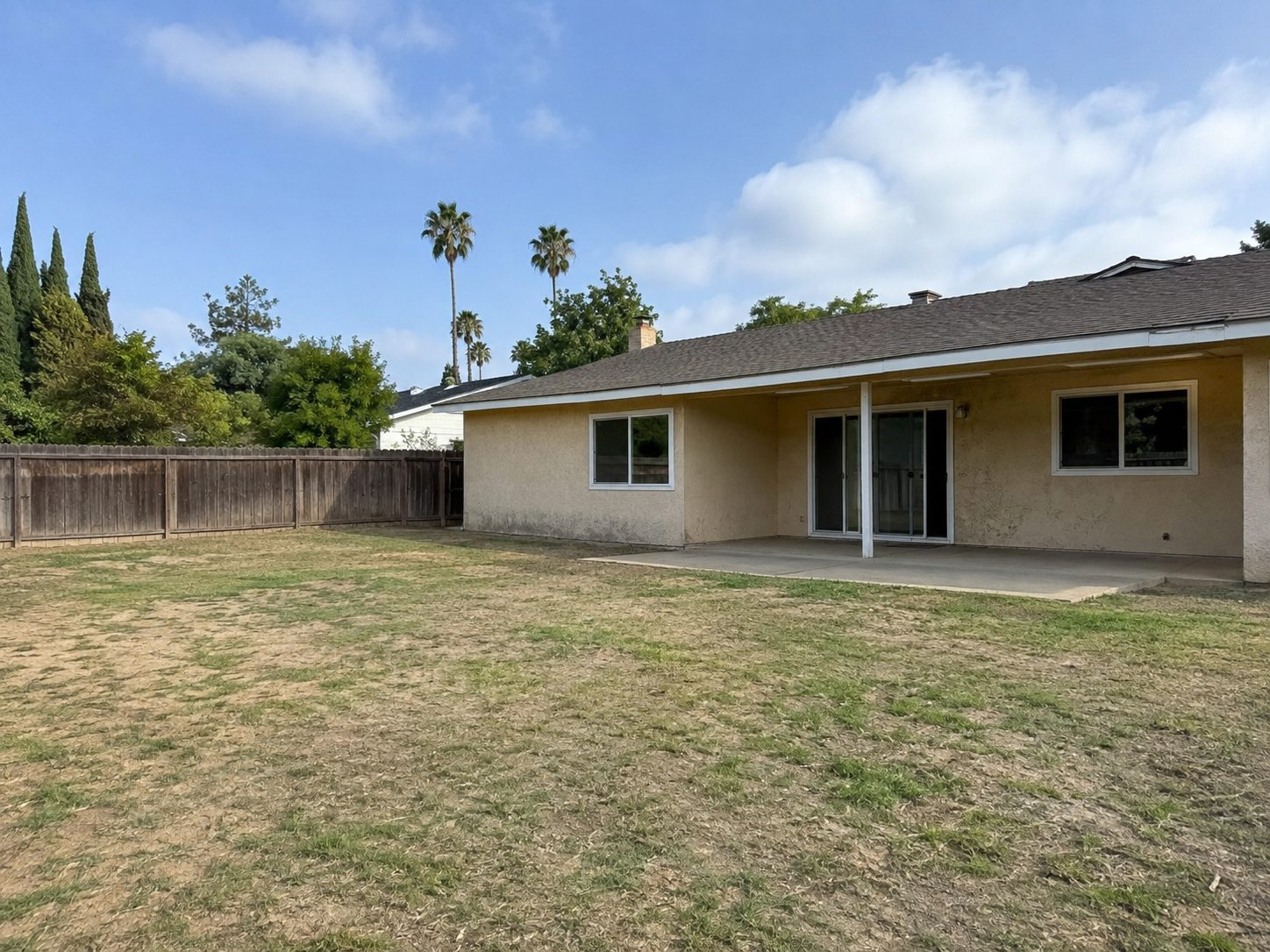
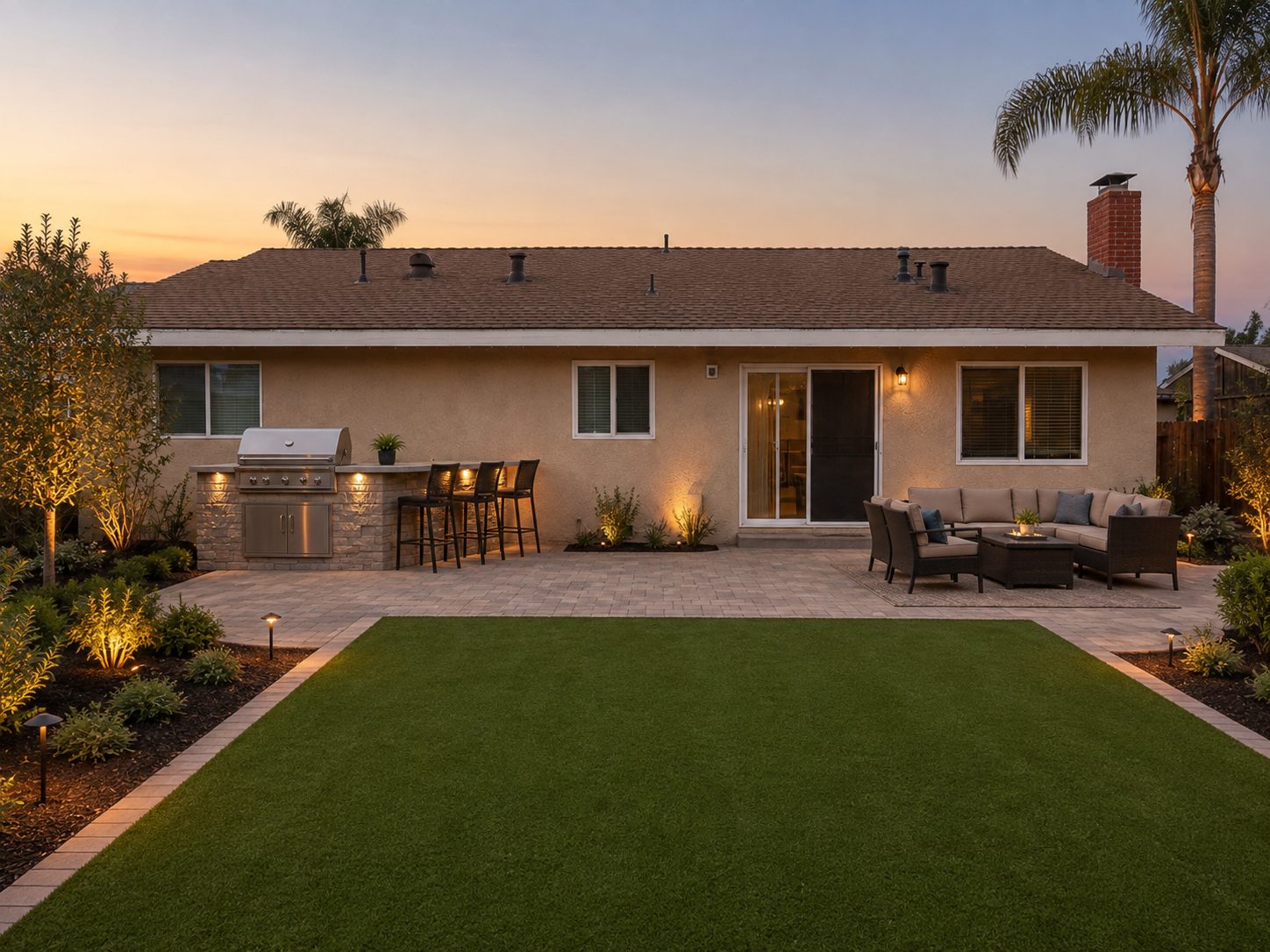
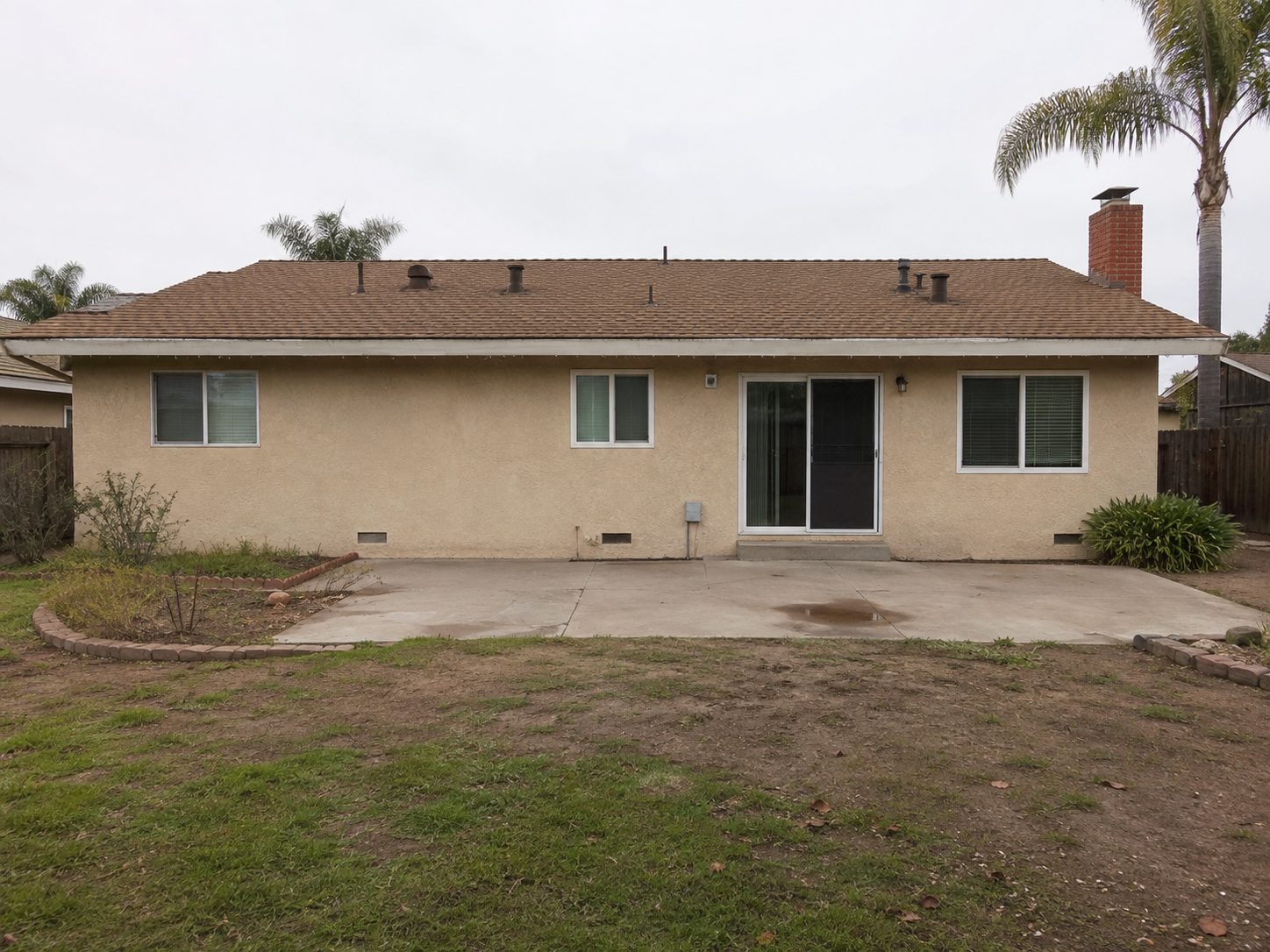
How the job runs
01
Site visit
We look at how water moves across the property today and where it is ending up.
02
Scope and layout
Materials, dimensions, and drainage written into a scope with a price and a start date.
03
Excavation and base
Grading, drainage, and compacted base before a single paver or yard of concrete goes down.
04
Surface and cleanup
Pavers, concrete, or walls installed, edges set, and the site cleared before we finish.
Why remodeling
Nobody Owns
The Gap
With separate designers and builders, what gets drawn and what gets built come apart. The drawing does not account for the wall that turned out to be structural, the builder prices around the detail instead of solving it, and when you ask why the finished room is not the room on the page, each side points at the other. Nobody owns the gap.
We design and build the same job, so the person who drew it is accountable for the version you live in. Decisions get made once, in front of you, with the cost and the constraint on the table at the same time.
Questions
Answered
Straight
- Why do driveways and patios crack or settle?
- Almost always the base, not the material. Insufficient compaction or a drainage problem under the surface will move any paver or slab, no matter what it cost.
- Do you handle drainage?
- Yes, and on most properties it is the first thing we look at. Where the water goes decides whether the surface is still level in ten years.
- Pavers or concrete?
- Pavers are easier to repair in sections and handle movement better. Concrete gives you an uninterrupted surface. We tell you which suits the site rather than which we prefer to install.
- Do retaining walls need a permit?
- Above a certain height, and often when they carry a surcharge, yes. We check the jurisdiction and handle the submittal.
- Can you regrade a sloped yard?
- Yes. Grading, drainage, and retaining are usually one connected problem and we scope them together.
- How long does a driveway take?
- Most residential driveways run one to two weeks from demolition to a surface you can drive on, depending on square footage, drainage work, and concrete cure time.
Know What The Work
Really Involves
Scope, sequence, and a straight read on your own house before anyone asks you for anything.
Schedule Your Consultation